
Bedside nursing is any nursing role focusing primarily on providing bedside care to hospitalized patients. There are also plenty of alternative nursing careers away from the bedside, including nursing home administrator, nurse educator, nurse researcher, and legal nurse consultant. Non-bedside nursing roles typically require clinical experience.
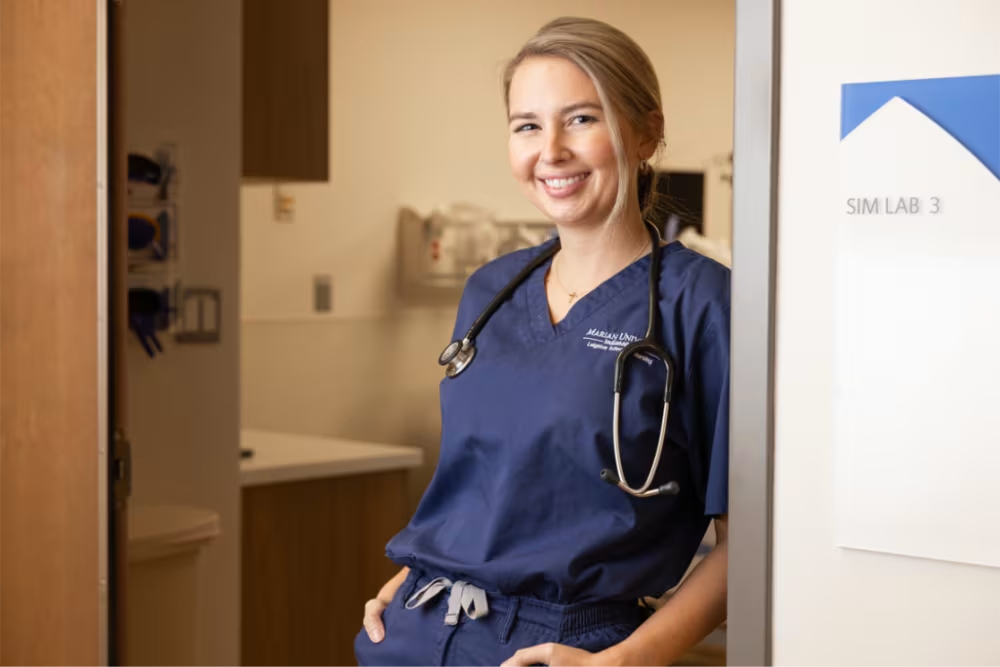
Many nursing specialties focus on direct patient care, but there are also numerous alternative nursing careers away from the bedside. These roles range from teaching and research to informatics and administration. If you are drawn to the versatility of nursing, explore the different types of nursing careers that may appeal to you.
Marian University can help you launch a nursing career faster if you have a non-nursing bachelor’s degree. In as few as 16 months, you could graduate from our Accelerated Bachelor of Science in Nursing (ABSN) program. From there, you can obtain licensure, gain bedside experience, and pursue a range of nursing roles.
To choose the right path, it helps to understand what bedside nursing is, why some nurses seek non-bedside roles, and the range of alternative nursing careers available. Discover how nursing education equips you for non-hospital careers and whether you need bedside experience.
What Is Bedside Nursing?
Bedside nursing is any nursing specialty that predominantly involves bedside care. Medical-surgical nursing is one of the largest bedside nursing specialties, involving the care of adult inpatients recovering from surgery or coping with acute illnesses or injuries. They may also have chronic conditions.
What is bedside nursing like? These nursing specialties involve taking care of inpatients, or hospitalized patients, providing care ranging from medication management to patient education and beyond.
There are plenty of nursing roles that are not considered bedside nursing jobs but still involve direct patient care. For example, a flight nurse, an emergency room nurse, and a school nurse all provide direct patient care, but these are not considered bedside nursing roles. The flight nurse and ER nurse focus on stabilizing patients before transferring them to the care of other teams, while the school nurse only treats patients during the school day, rather than providing ongoing, comprehensive care.
Some nursing specialties involve providing bedside care, but are not considered bedside nursing roles. For example, some hospitals have an IV team that specializes in vascular access. The IV team may travel throughout the hospital as needed to place peripheral IVs, midlines, and so on. Although they treat hospitalized patients, they do not provide comprehensive care and so are not considered bedside nurses.
Why Some Nurses Explore Non-Bedside Nursing Roles
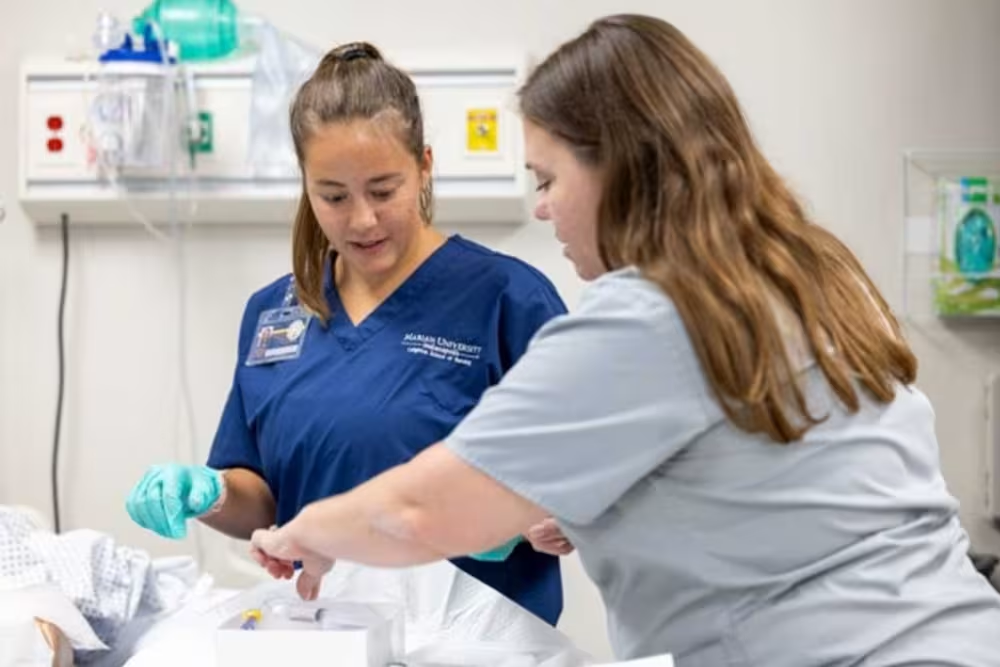
There are many reasons why you might consider alternative nursing careers. Some enjoy developing relationships with their patients, while others prefer brief interactions and more predictable work schedules. Moving away from the bedside may also reduce physical strain, making certain specialties less demanding.
Reasons for exploring non-bedside nursing roles include:
- Better work-life balance, thanks to more predictable schedules and lower patient workloads.
- Less physical strain, since many alternative roles involve minimal lifting and transferring.
- Preference for different types of patient interactions and relationships.
Alternative Nursing Careers That Don’t Involve Direct Patient Care
If you’re interested in non-bedside nursing roles that do not involve direct patient care, there are plenty of options to choose from.
Informatics Nurse
Informatics nurses merge nursing science with technology and data science. An informatics nurse strives to optimize electronic systems and databases, such as electronic health records (EHRs), to improve administrative efficiency and patient outcomes.
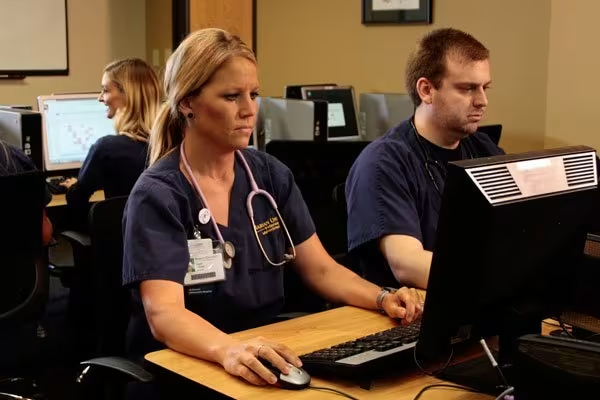
Take a closer look at the nursing informatics specialty.
Nurse Educator
Many nurses teach patients and families, but nurse educators step away from the hospital to educate future nurses. These experienced clinicians work in classrooms at the baccalaureate or graduate level, guiding the next generation.
Legal Nurse Consultant
Legal nurse consultants work with law firms, insurance companies, or healthcare organizations. They review medical records, evaluate whether actions met the standard of care, provide guidance on healthcare regulations, and may testify in court.
Nurse Recruiter
Nurse recruiters support healthcare organizations by finding, screening, interviewing, and hiring nurses. They manage onboarding and may oversee professional development initiatives.
Nurse Researcher
Nurse researchers design and conduct clinical trials to test medical treatments and procedures. They:
- Interview research participants
- Maintain records
- Present findings at conferences
- Track progress
- Write study reports
Nursing Home Administrator
Nursing home administrators lead and manage long-term care facilities. They oversee staff, ensure regulatory compliance, supervise daily operations, and maintain relationships with residents and families. This non-clinical role appeals to detail-oriented nurses interested in the business side of healthcare.
Prepare to navigate nursing school successfully.

How a Nursing Degree Prepares You for Non-Clinical Careers
Your nursing education provides a solid foundation that prepares you to pursue any path in nursing. After gaining clinical experience at the bedside, you can move into a non-bedside nursing role.
Even if you leave clinical care entirely, you will continue to use the skills you learned in nursing school, such as:
- Communication skills
- Critical thinking
- Knowledge of nursing theories and evidence-based practice
Do You Need Bedside Experience for Non-Bedside Nursing Careers?
Alternative nursing careers typically require clinical experience at the bedside. For example, a legal nurse consultant must rely on their clinical care experience when providing informed opinions about a plaintiff’s injuries. Similarly, a nurse educator must have worked as a nurse for a long time before teaching the nursing profession to others.
Some entry-level nursing specialties provide a natural starting point for pursuing other nursing careers. For example, if you’re thinking of eventually becoming a nursing home administrator, you might start as a long-term care RN.
Choosing the Right Nursing Path for Your Goals
You do not need to map out your entire career when you start nursing school. Your skills, interests, and goals will evolve over time, so it’s important to stay flexible and open to new possibilities.
To help you choose a path that aligns with your goals, consider these steps:
- Connect with experienced nurses in roles that interest you for insight and guidance.
- Discuss career options with your instructors to explore different specialties and settings.
- Remain flexible and receptive to new opportunities as your interests evolve.
- Set long-term career goals that give you a general sense of where you want to be in 5–10 years.
Find a Nursing Specialty That Suits You at Marian University
At Marian University, you’ll enjoy a hybrid learning experience, with online coursework and in-person experiential learning during labs and clinical rotations. Your nursing clinicals provide opportunities to explore different nursing specialties, such as acute care, long-term care, obstetrics, pediatrics, and adult health. By the time you graduate, you will have experienced the nursing profession and direct patient care first-hand and will have a better idea of your career preferences.
Get started working toward your future in nursing. Request information and connect with an admissions advisor today to review your eligibility for our ABSN program.