
Patient-centered healthcare is a holistic approach to caring for patients that prioritizes the patient’s physical, social, emotional, and spiritual needs, respects their informed choices and aligns with their cultural requirements or preferences. Person-centered care can improve health outcomes and patient satisfaction.
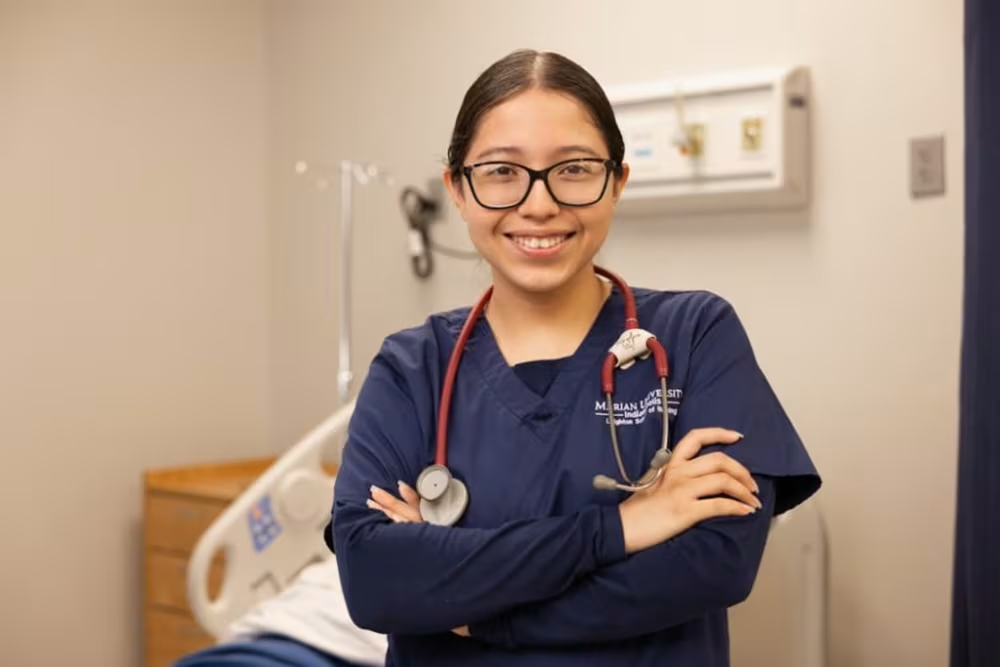
Patient-centered care is an approach to healthcare that places the individual at the center of their health goals and treatment choices. What is patient-centered care’s main benefit? It brings a holistic approach to healthcare and benefits patients by respecting their values and choices.
If you’re interested in becoming a nurse and practicing with a patient-centered philosophy, you can access this career path through Marian University’s Accelerated Bachelor of Science in Nursing (ABSN) program. Our curriculum delivers nursing education grounded in our Franciscan values, which promote the human dignity of each patient. Upon enrollment, students can graduate in as few as 16 months.
As you prepare to become a practicing nurse, take a closer look at common questions such as, “What is patient-centered care and why is it important for patients and nurses?” Explore how nurses develop person-centered care skills and how this approach will continue to shape the profession in the years ahead.
What Is Patient-Centered Care?
Instead of focusing solely on clinical decision-making, patient-centered healthcare is a holistic approach. It encompasses the patient’s values and beliefs, as well as their social and emotional health. Rather than top-down decision-making, patient-centered care empowers the patient to take charge of their health and make informed decisions for their well-being.
Some of the core principles in delivering patient-centered care include:
- Continuity of care, providing seamless transitions from one clinical environment and provider to the next
- Empathy and emotional support for patients
- Involvement of the patient’s family members and loved ones
- Involvement of the patient in clinical decision-making and respect for their preferences
- Timely access to healthcare
- Transparent communication and patient education
- Treatment given by providers the patient trusts and has a rapport with
Patient-centered care also emphasizes empowering the patient to perform self-care. It considers the patient’s environmental and socioemotional needs as well as their physical ones.

Explore nursing communication and learn why bedside manner matters in patient care.
Why Is Patient-Centered Healthcare Important in Nursing?
Patient-centered healthcare is beneficial to both patients and nurses. Keeping the person and their health at the center of decision-making helps to build better working relationships and improve outcomes.
Benefits for Patients
For patients, navigating the health system can be confusing and overwhelming, and this can be exacerbated if the patient has a severe or chronic condition. Patient-centered care focuses on the patient’s entire experience with the health system, making them feel heard, understood, and valued.
Patient-centered care can:
- Address socioemotional health needs as well as physical ones
- Enable patients to build trusting relationships with their providers
- Improve health outcomes
- Provide better continuity of care
This approach can also improve access to needed care, such as by referring patients to financial assistance and other community resources.
Benefits for Nurses
The patient-centered care approach supports patient safety and quality of care, empowering clinicians to do their job effectively. When patients feel that they can trust their providers, they may be more likely to adhere to treatment recommendations. They may also be more inclined to share concerns or symptoms that they feel embarrassed about, which consequently facilitates better care. In short, patient-centered healthcare empowers nurses to do their work well.

Examples of Patient-Centered Care in Nursing Practice
There are many examples of patient-centered care in nursing practice. In some hospitals, for example, newly admitted patients are asked if they have a religious preference and, if so, which one. This enables the hospital chaplain to know which patients may appreciate a visit to tend to their spiritual needs.
Beyond hospital chaplaincy, some healthcare facilities offer other ways of meeting patients’ socioemotional and spiritual needs. These can include meditation rooms, music and art therapy, and animal-assisted therapy.
Customized care plans are another important example of person-centered care in nursing practice. Nurses must ensure that each patient’s care plan aligns with that person’s values and medical needs. Each care plan must be developed in collaboration with the patient, ensuring it respects their informed choices.
The Difference Between Task-Based Care and Patient-Centered Care
Task-based nursing care focuses on the efficient and timely completion of all essential nursing tasks during any given shift. It requires organizational skills, time management, and, often, multitasking.
In contrast, patient-centered care is a collaborative approach that focuses on empowering the patient to shape their healthcare experience in a way that best aligns with their needs and choices.
While task-based nursing prioritizes efficiency, patient-centered care prioritizes health outcomes and relationship building. The two are not necessarily at odds with each other, however. Even when providing person-centered care, nurses can be mindful of the clinical tasks that must be achieved during patient interactions.
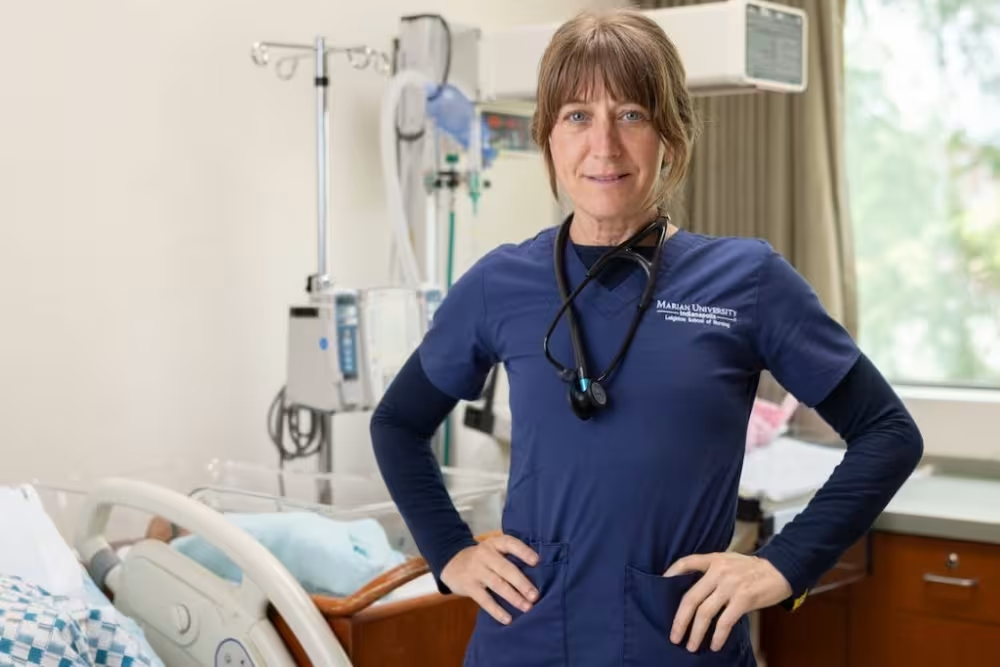
Take a closer look at the future of nursing, including emerging trends and technologies.
How Nurses Develop Patient-Centered Care Skills
Providing patient-centered healthcare can help nurses elevate their standard of practice. Clinicians can seek out professional development opportunities that focus on patient-centered care and cultural competence, such as continuing-education credits, workshops, seminars, and employer-sponsored events. They can also engage in reflective clinical practice and may decide to discuss patient issues with a mentor, if applicable.
Each patient interaction is an opportunity to practice patient-centered care skills. Nurses should strive to strengthen their active listening skills and observation skills, which can help them develop better insight into the patient’s needs, values, and concerns. Using plain language and the teach-back method can improve patient participation in the healthcare process, as well as strengthen informed consent.
How Marian University’s Hybrid ABSN Program Emphasizes Person-Centered Care
At Marian University, you’ll learn how to provide patient-centered nursing care that prioritizes the patient’s best interests, needs, and choices. Our faith-based university promotes Franciscan values, including upholding the dignity of the individual, a value that is directly aligned with person-centered care.
Our nursing curriculum teaches a holistic approach to care, including consideration for the patient’s socioemotional and spiritual needs. Additionally, students complete nursing simulation labs and clinical rotations, providing ample opportunities to strengthen communication skills and practice collaborative patient care.
Why Patient-Centered Care Will Continue to Shape the Future of Nursing
Patient-centered care will likely continue thanks to its many benefits for patients, clinicians, and health systems. Not only does it improve health outcomes, but it can also increase patient satisfaction, both of which contribute to improving a healthcare facility’s reputation. It may also reduce healthcare expenditures by cutting unnecessary tests and treatments, and it can contribute to a more positive work environment for clinicians.
Pursue Your Future in Nursing at Marian University
At Marian University, you can leverage your completed non-nursing bachelor’s degree toward earning a BSN in as few as 16 months. Pursue your future in nursing on an accelerated timeline while receiving individualized support from faculty and Academic Success Coaches.
Our faith-based university promotes the dignity of the individual patient and responsible stewardship of the nursing profession. We integrate our Franciscan values into the curriculum, yet welcome students of all faiths.
Request information and connect with an admissions advisor today to take the first step toward a nursing career.