
What is a BSN in nursing? A BSN is a Bachelor of Science in Nursing degree. Many employers prefer nurses with a BSN degree, which can improve patient outcomes and reduce mortality rates. For nurses, a BSN can also open the door to more job opportunities, career advancement, and higher salaries.

All aspiring registered nurses (RNs) must complete nursing education before obtaining licensure. A Bachelor of Science in Nursing (BSN) is a common entry-level nursing degree and one that is desired by employers. There are numerous benefits of a BSN degree, including better preparation for nursing practice and more career opportunities.
Marian University’s Accelerated Bachelor of Science in Nursing (ABSN) program can help you enter nursing sooner. With a completed non-nursing bachelor’s degree, our ABSN program can enable you to graduate in as few as 16 months prepared to take the NCLEX-RN. For those without a completed non-nursing bachelor’s degree who have earned previous college credits, a transfer pathway into the program is available through our AS in Health Sciences program.
Take a closer look at why a BSN in nursing is important for patients, nurses, and healthcare facilities. Discover why BSN-prepared nurses may have more job opportunities and potential for career advancement, then learn how an accelerated pathway can help you enjoy the benefits of a BSN degree faster.
What Is a BSN in Nursing?
A BSN is a Bachelor of Science in Nursing degree. It’s an undergraduate degree path that enables graduates to take the NCLEX-RN licensure exam and obtain the necessary licensure to practice as registered nurses.
There are different varieties of BSN degree pathways, such as traditional four-year BSN programs and ABSN programs like Marian University’s. Regardless of your BSN degree path, you’ll work through a combination of nursing theory coursework, hands-on skills and simulation labs, and clinical rotations. Students engage with nursing theory and practice clinical skills, as well as hone clinical judgment.

Learn what nursing school is like in an Accelerated BSN program.
Why Is a BSN Important in Today's Healthcare Environment?
Compared to nurses with other credentials, such as an ADN, BSN-prepared nurses may be better-equipped to provide a high standard of patient care. Organizations such as the American Association of Colleges of Nursing (AACN) call for more nurses to earn baccalaureate degrees instead of associate degrees, as more rigorous education is associated with better outcomes for patients.
A 2022 study published in Nursing Outlook determined that hospitals with a higher proportion of BSN-prepared nurses were associated with lower 30-day inpatient surgical mortality rates. The lower mortality rates held true regardless of how the nurses earned their BSN, whether through a traditional or accelerated program.
Top Benefits of BSN Degree Programs
Along with the benefits for patients, there are plenty of benefits of BSN degree programs for nurses. One benefit for nurses is that a BSN degree can expand career opportunities.
In 2023, the AACN conducted a workforce survey. One question on the survey was whether employers were requiring or expressing a preference for job applicants with a BSN. The survey results found that the majority of healthcare employers, nearly 70%, expressed a “strong preference” for BSN-prepared nurses, while 25% of employers required a BSN as the minimum nursing credential.
Other advantages of earning a BSN can include:
- Comprehensive nursing education that supports professional credibility
- Increased access to different nursing specialties that require a BSN for entry
- More autonomy
- The potential for higher earnings expectations
A BSN can also provide a foundation for career advancement in leadership roles. Some BSN-prepared clinicians may decide to earn a graduate degree in nursing in preparation for career growth.

Why Healthcare Employers Value the BSN-Prepared Nurse
Many healthcare employers are calling for a greater proportion of the nursing workforce to hold a minimum of a BSN, according to the AACN. In fact, Magnet hospitals require their nurse managers and other nurse leaders to hold at least a BSN.
Employers recognize that BSN-prepared nurses strengthen the healthcare ecosystem by:
- Contributing to better quality care
- Enhancing the reputation of the healthcare facility
- Improving patient safety and outcomes
- Reducing legal liability
How a BSN Can Help Meet the Growing Demand for Nurses
The U.S. has a shortage of RNs. According to the U.S. Bureau of Labor Statistics (BLS), the job growth rate for RNs is expected to be 6% from 2025 to 2035, faster than average for all professions. This indicates that healthcare employers expect to create about 194,700 new job openings for RNs during this period.
Earning a BSN degree can help aspiring nurses meet the growing demand for nurses by preparing them to become skilled clinicians who can tackle complex patient cases. A BSN degree can also provide the foundation for specialized roles, including nursing leadership. In short, BSN-prepared nurses can help more patients receive the care they need.
Compare the ADN vs. BSN to determine why a BSN is worth it.
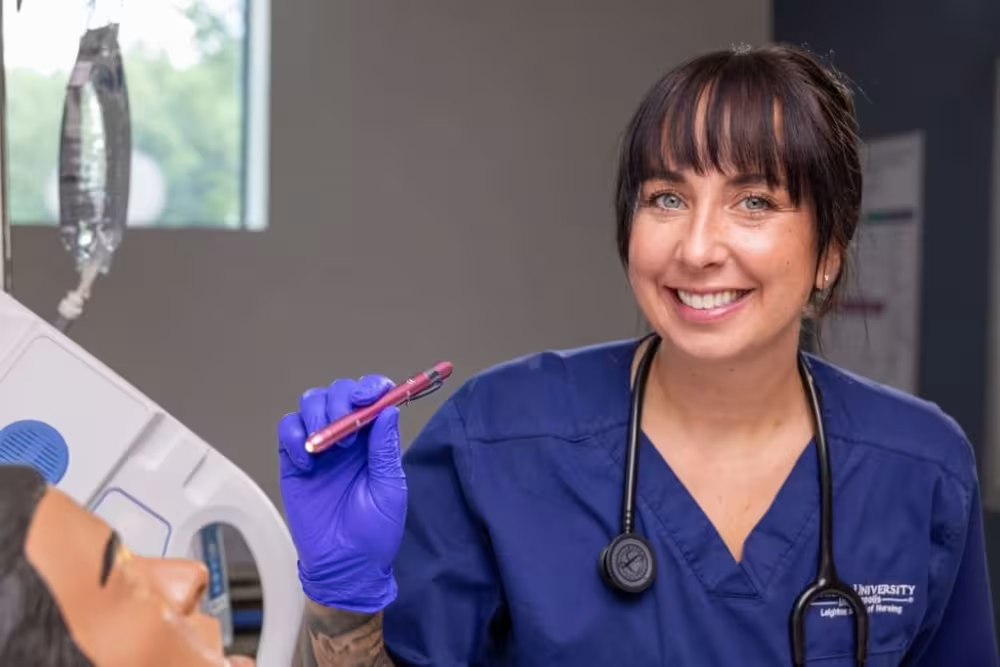
An Accelerated Path to Becoming a BSN-Prepared Nurse
Typically, a Bachelor of Science in Nursing degree requires four years of full-time study, just like other undergraduate programs. There is a faster pathway for some students, however.
If you have a completed non-nursing degree in any field other than nursing with a cumulative GPA of 2.8 or higher, you may be eligible for the accelerated pathway at Marian University. Our ABSN program also considers applicants transferring from our AS in Health Sciences program. You must also complete prerequisite courses.
Our ABSN program offers the same high-quality nursing education as a traditional BSN program, condensed into a 16-month timeline. It works by leveraging your prior education, as well as the prerequisites, and requiring a full-time, year-round schedule. As a result, you can graduate more quickly and begin this new career path sooner.
The AACN recommends accelerated nursing programs, noting that "graduates of accelerated entry-level programs are prized by nurse employers who value the many layers of skill and education these graduates bring to the workplace. Employers report that these graduates are more mature, possess strong clinical skills, and are quick studies on the job." The AACN further notes that accelerated programs provide the same number of clinical hours as students in traditional BSN programs.

Start Working Toward a BSN Degree
Now that you understand why a BSN in nursing is important, you can start earning one faster at Marian University. If you have a completed non-nursing bachelor’s degree, you may be eligible to earn your BSN in as few as 16 months with our ABSN program. We provide a student-centered nursing education grounded in Franciscan values including upholding the dignity of the individual.
At Marian University, you’ll benefit from a faculty-student ratio that allows for personalized attention. You can also work one-on-one with our Academic Success Coaches as you prepare for clinical practice.
Request information and connect with an admissions advisor today to discuss next steps.